Video Sources 189 Views Report Error

Synopsis
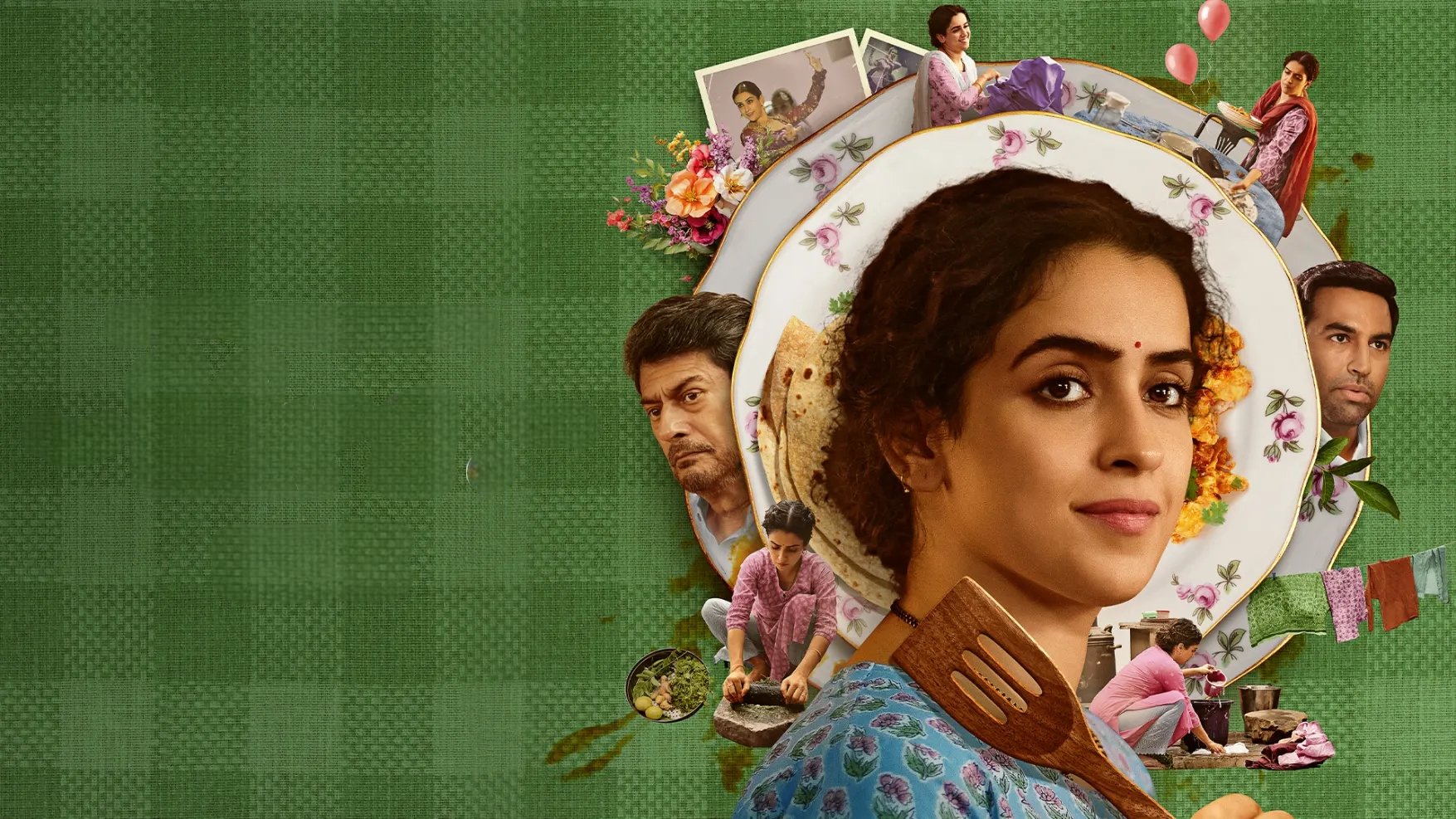
The Mrs. (2025) movie is a powerful Hindi-language drama directed by Arati Kadav, starring the talented Sanya Malhotra in the lead role. Adapted from the acclaimed Malayalam film The Great Indian Kitchen, this film dives deep into the struggles of a newlywed woman navigating the harsh realities of patriarchal traditions. Released on ZEE5 in February 2025, the film has already gained critical acclaim for its bold storytelling and strong performances.
At its core, Mrs. (2025) is not just a family drama but also a social commentary on gender roles, domestic labor, and the silent sacrifices women are forced to make in traditional households. The movie highlights how the kitchen becomes both a physical and symbolic prison for women, while men enjoy unchecked privileges.
The film’s cinematography by Pratham Mehta and music by Sagar Desai add depth to the narrative, making the audience feel the suffocating monotony of daily chores. Every frame reflects the emotional weight carried by the protagonist, Richa, who struggles to balance her individuality with societal expectations.
Critics have praised Sanya Malhotra’s performance as raw, authentic, and deeply moving. Her portrayal of Richa captures the silent pain, suppressed anger, and eventual awakening of a woman who refuses to be confined by outdated norms. The film resonates strongly with modern audiences who are questioning the relevance of rigid traditions in today’s world.
By blending realistic storytelling with emotional intensity, Mrs. (2025) becomes more than just a film—it transforms into a mirror reflecting the struggles of countless women across India and beyond. It is a reminder that change begins at home, and equality must be practiced, not just preached.
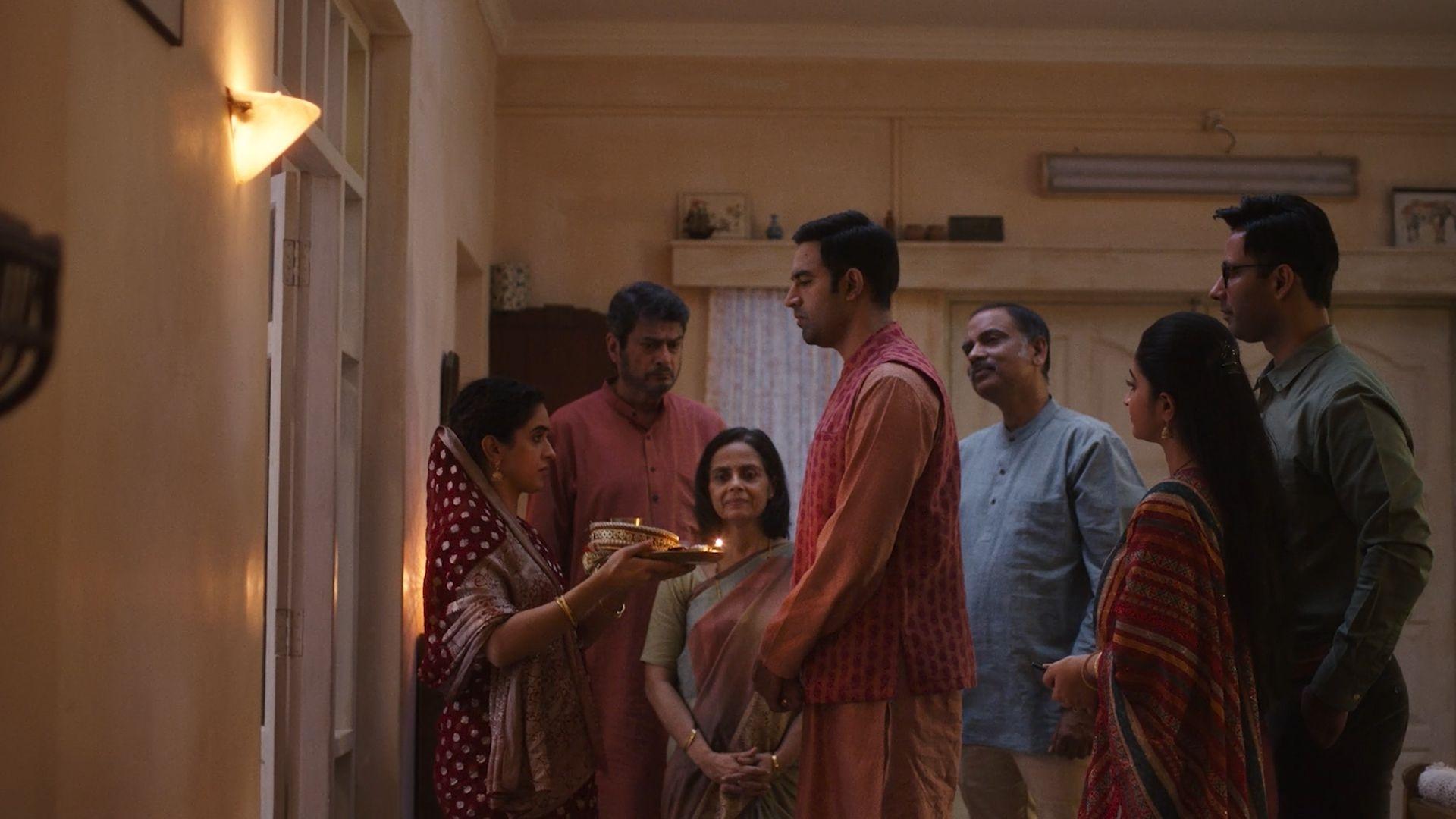
The story follows Richa, an educated and independent dancer, who enters into an arranged marriage with Diwakar, a respected doctor. At first, her new life seems promising, filled with love and hope. However, as days pass, she realizes that her husband’s family is deeply rooted in patriarchal customs that strip women of their freedom.
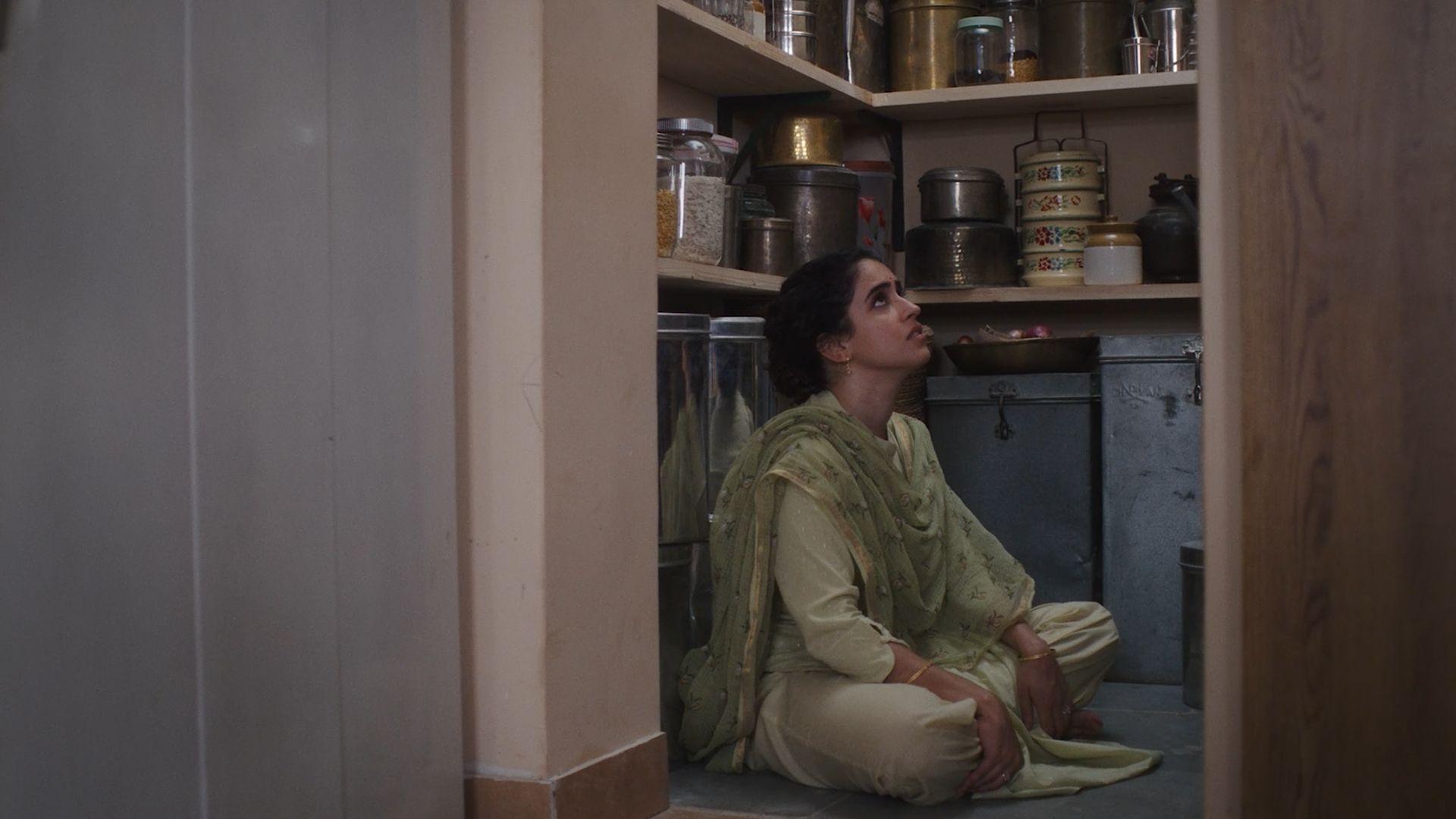
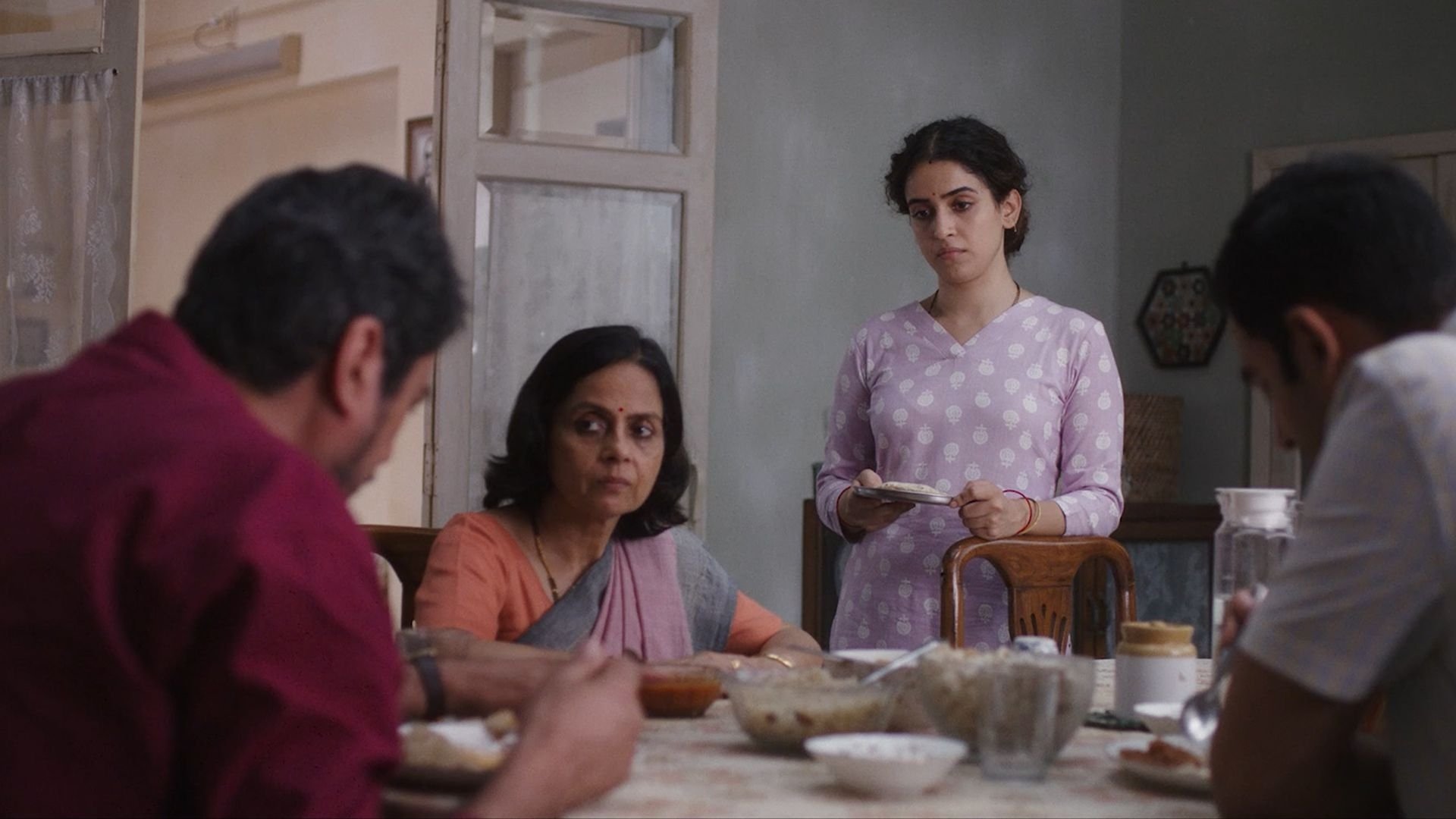
Richa is expected to handle endless household chores—cooking, cleaning, and serving—while the men of the house indulge in leisure. Even small acts, like handing a toothbrush to the father-in-law, symbolize the suffocating control of tradition. Despite her efforts to adjust, Richa begins to feel trapped in a cycle of domestic drudgery.
As her mother-in-law leaves temporarily, the burden of the household falls entirely on Richa. Her husband’s behavior changes drastically—he ignores her pleas for help, dismisses her dreams, and even tries to control her social presence by asking her to delete her dance videos. The breaking point comes when Richa faces regressive restrictions during her menstruation, leaving her isolated and humiliated.


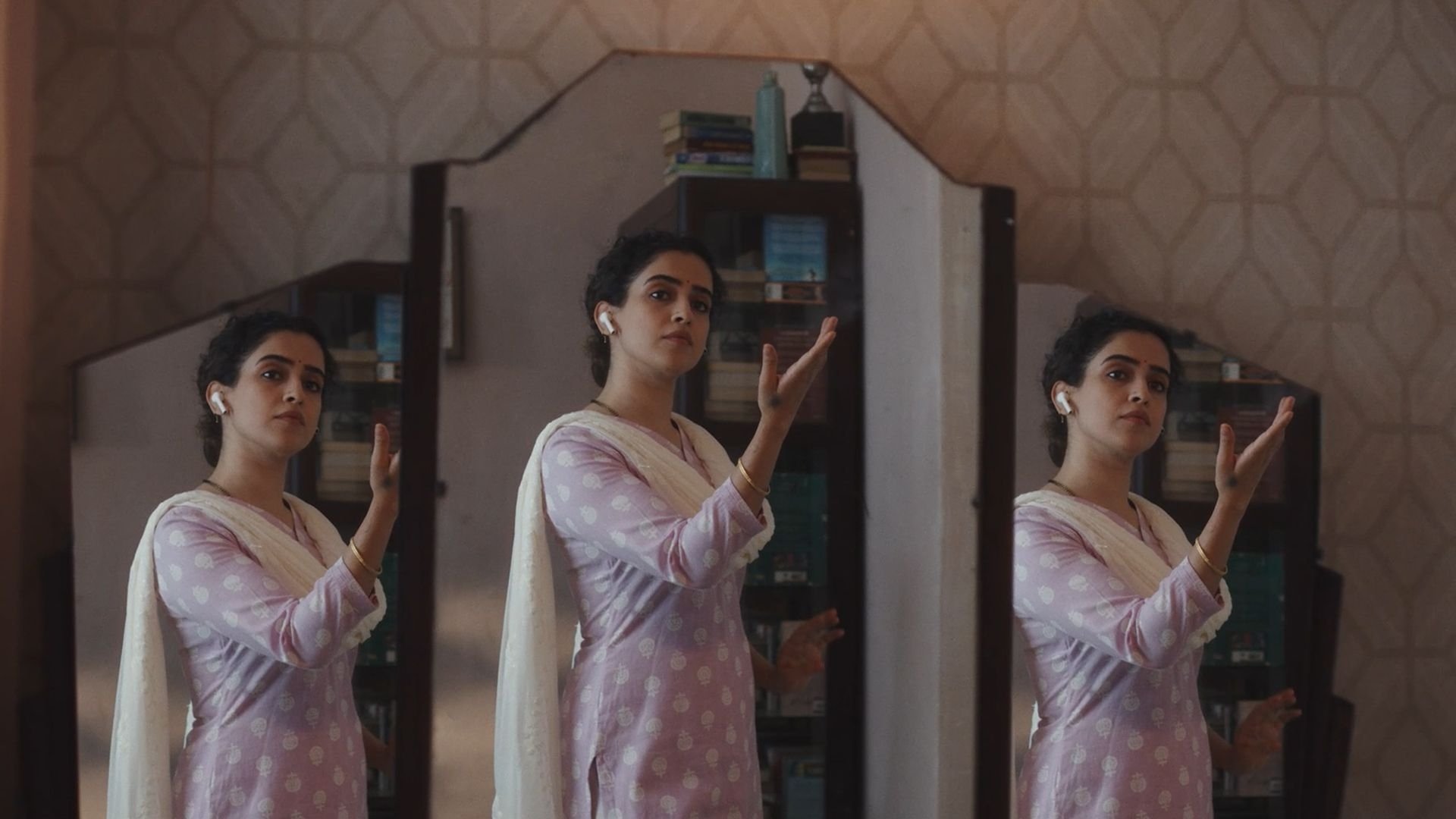

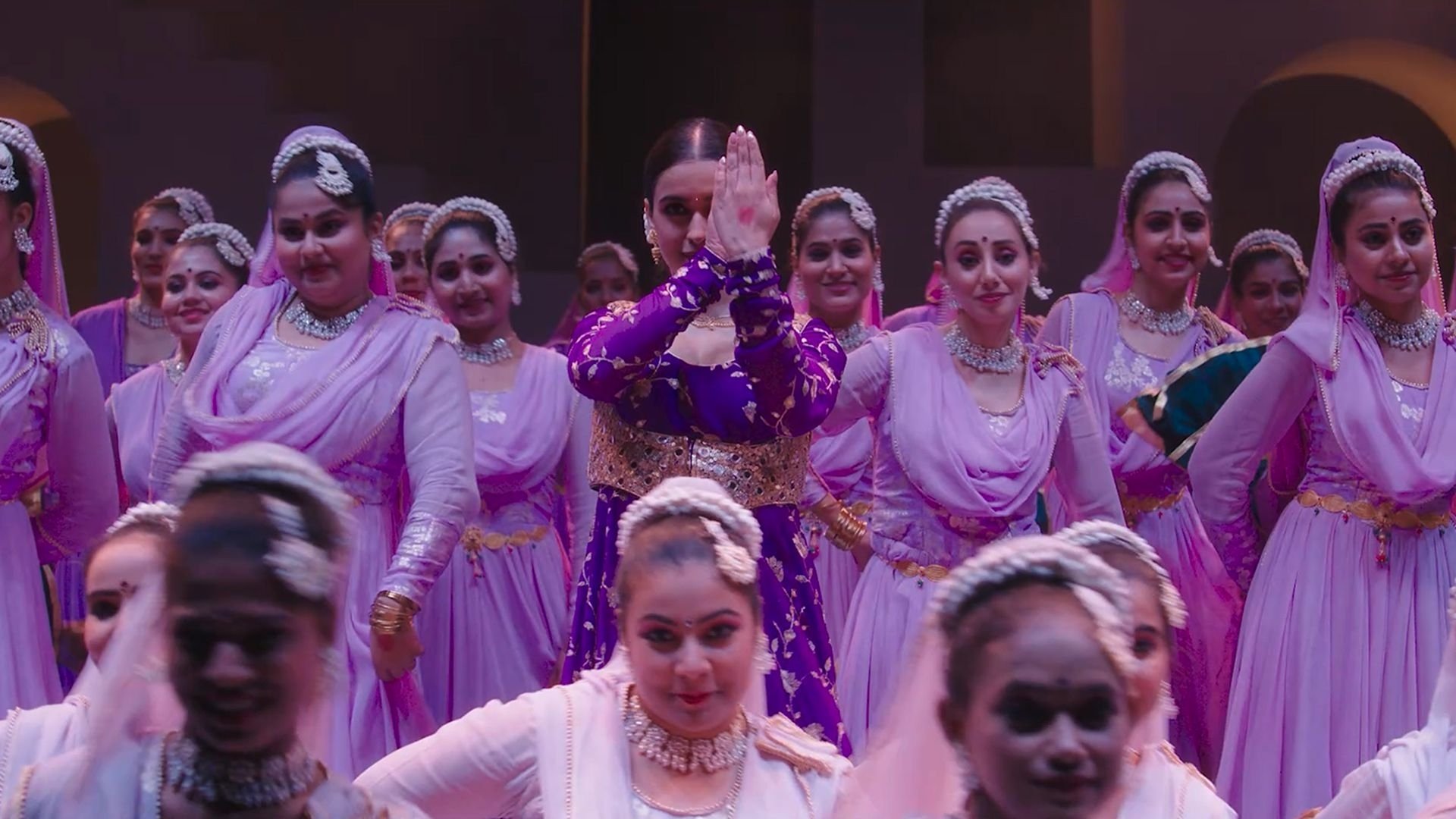

Original title मिसिज़
IMDb Rating 6.6 5,663 votes
TMDb Rating 6.1 9 votes
Director

Director
Cast

Richa

Diwakar Kumar

Ashwin Kumar

Meena Kumar

Richa's Mother

Diwakar's Bua

Saavi
Richa's Father

Tunnu Bhaiya
Saavi's Mother
Similar titles